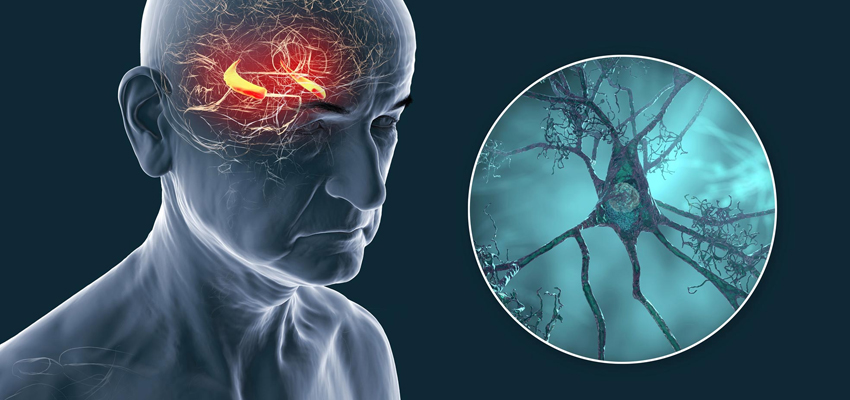
Alzheimer's Disease
Alzheimer's disease is the most common cause of dementia, accounting for 60–80% of cases. It is a progressive neurological disorder that slowly destroys memory, thinking skills, and the ability to carry out simple tasks. While there is currently no cure, early diagnosis and treatment can slow progression and significantly improve quality of life.
What is Alzheimer's Disease?
Alzheimer's is caused by the abnormal accumulation of amyloid plaques and tau tangles in the brain, leading to neuronal damage and death. It begins in the hippocampus, the memory center, before spreading to other regions of the brain, causing widespread cognitive and functional decline.
Common Symptoms
- Memory loss disrupting daily life
- Difficulty planning or solving problems
- Confusion with time, dates, or seasons
- Trouble understanding visual images and spatial relationships
- Misplacing items and inability to retrace steps
- Decreased or poor judgment
- Withdrawal from social activities
- Changes in mood, personality, and behavior
Stages of Alzheimer's Disease
Early Stage (Mild)
Mild memory lapses, difficulty recalling recent events, some word-finding problems.
Middle Stage (Moderate)
Increasing confusion, difficulty recognizing family members, behavioral changes, need for daily assistance.
Late Stage (Severe)
Loss of ability to communicate verbally, full dependence on caregivers, vulnerability to infections.
Diagnosis
- Comprehensive cognitive and neuropsychological assessment
- Detailed medical history
- MRI Brain (structural changes)
- PET scan for amyloid/tau (when indicated)
- Blood tests to exclude reversible causes
- Cerebrospinal fluid (CSF) biomarkers (selected cases)
Treatment Options
- Cholinesterase inhibitors (donepezil, rivastigmine, galantamine)
- Memantine for moderate-to-severe disease
- Management of behavioral symptoms
- Cognitive stimulation and occupational therapy
- Caregiver counseling and support
- Lifestyle modifications (exercise, diet, cognitive engagement)
- Regular neurological follow-up
When Should You See a Neurologist?
- Persistent memory loss affecting daily functioning
- Getting lost in familiar surroundings
- Significant personality or behavioral changes in an elderly person
- Family history of Alzheimer's with early memory concerns
- Caregiver concern about a loved one's cognitive decline
Why Choose Us?
- Experienced Consultant Neurologist
- Comprehensive Cognitive Evaluation
- Personalized Treatment & Care Planning
- Evidence-Based Neurological Care
- Compassionate Patient & Family-Centered Approach
- Comprehensive Follow-Up Care