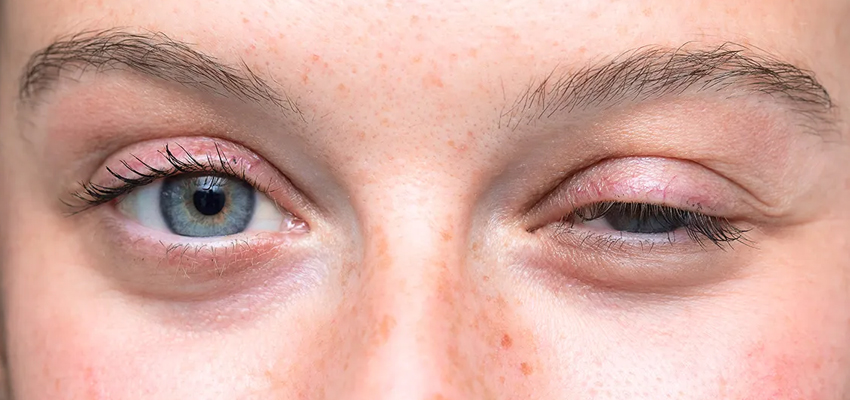
Myasthenia Gravis
Myasthenia Gravis (MG) is a chronic autoimmune neuromuscular disease that causes weakness in the skeletal muscles, which are responsible for breathing and moving parts of the body. It is characterized by fluctuating muscle weakness that worsens with activity and improves with rest. With proper neurological care, most patients can lead a normal and active life.
What is Myasthenia Gravis?
In Myasthenia Gravis, the immune system mistakenly produces antibodies that block or destroy receptor sites for acetylcholine, a chemical that transmits nerve impulses to muscles. This disrupts communication between nerves and muscles, resulting in muscle weakness.
Common Symptoms
- Drooping of one or both eyelids (ptosis)
- Double vision (diplopia)
- Difficulty swallowing (dysphagia)
- Slurred or nasal speech
- Weakness in arms, legs, neck, or face
- Shortness of breath due to weak respiratory muscles
- Fatigue that worsens with repeated activity
- Chewing difficulties
Causes & Risk Factors
- Autoimmune antibodies (anti-AChR or anti-MuSK)
- Thymus gland abnormalities (thymoma)
- Genetic predisposition
- Other autoimmune conditions
- Certain medications that may trigger or worsen MG
Diagnosis
- Detailed neurological examination
- Blood tests for AChR and MuSK antibodies
- Repetitive nerve stimulation (RNS) test
- Single-fiber EMG (SFEMG)
- CT scan of the chest (to check for thymoma)
- Edrophonium (Tensilon) test
- Pulmonary function tests
Treatment Options
- Cholinesterase inhibitors (e.g., pyridostigmine)
- Immunosuppressive therapy (steroids, azathioprine)
- Plasmapheresis (plasma exchange)
- Intravenous immunoglobulin (IVIG)
- Thymectomy (surgical removal of thymus)
- Management of myasthenic crisis
- Long-term monitoring and follow-up
When Should You See a Neurologist?
- Sudden drooping eyelids or double vision
- Progressive weakness in limbs or face
- Difficulty swallowing or breathing
- Weakness that worsens with exertion
- Known MG with worsening symptoms
Why Choose Us?
- Experienced Consultant Neurologist
- Specialized Neuromuscular Disease Management
- Personalized Treatment Plans
- Evidence-Based Neurological Care
- Compassionate Patient-Centered Approach
- Comprehensive Follow-Up Care