Motor Neuron Disease
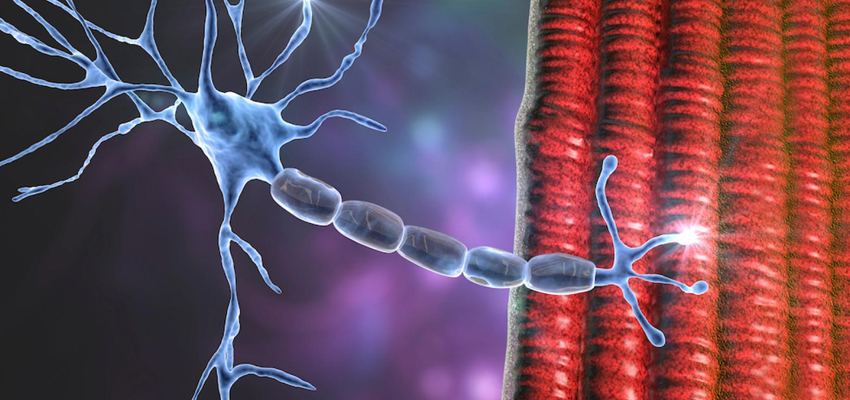
Motor Neuron Disease (MND) is a group of progressive neurological disorders that destroy the motor neurons — the nerve cells responsible for controlling voluntary muscle activity such as speaking, walking, breathing, and swallowing. The most common form is Amyotrophic Lateral Sclerosis (ALS). Expert neurological care is essential for accurate diagnosis, symptom management, and supportive therapy.
What is Motor Neuron Disease?
In MND, both upper motor neurons (in the brain) and lower motor neurons (in the spinal cord) progressively degenerate, leading to increasing muscle weakness, wasting, and eventually loss of voluntary movement. Cognition is generally preserved, though some forms may involve mild cognitive changes.
Common Symptoms
- Progressive muscle weakness in limbs
- Muscle wasting (atrophy)
- Fasciculations (muscle twitching)
- Stiffness and spasticity
- Slurred speech (dysarthria)
- Difficulty swallowing (dysphagia)
- Shortness of breath
- Foot drop or hand weakness
Types of Motor Neuron Disease
Amyotrophic Lateral Sclerosis (ALS)
Affects both upper and lower motor neurons; most common and rapidly progressive form.
Progressive Muscular Atrophy (PMA)
Affects only lower motor neurons, causing muscle wasting and weakness.
Primary Lateral Sclerosis (PLS)
Affects only upper motor neurons, causing stiffness and spasticity.
Progressive Bulbar Palsy (PBP)
Primarily affects speech and swallowing functions.
Diagnosis
- Detailed neurological examination
- Electromyography (EMG) and nerve conduction studies
- MRI Brain and Spine
- Blood and genetic tests
- Pulmonary function tests
- Swallowing assessment
Treatment & Supportive Care
- Disease-modifying therapy (riluzole, edaravone)
- Physiotherapy and occupational therapy
- Speech and swallowing therapy
- Respiratory support management
- Nutritional support and feeding tube guidance
- Palliative and multidisciplinary care
- Psychological and caregiver support
When Should You See a Neurologist?
- Progressive unexplained weakness in limbs
- Muscle twitching with weakness or wasting
- Slurred speech or difficulty swallowing
- Tripping or difficulty walking without a known cause
- Rapid unexplained functional decline
Why Choose Us?
- Experienced Consultant Neurologist
- Specialized Neuromuscular Disease Management
- Multidisciplinary Supportive Care Coordination
- Evidence-Based Neurological Care
- Compassionate Patient & Family-Centered Approach
- Comprehensive Follow-Up Care