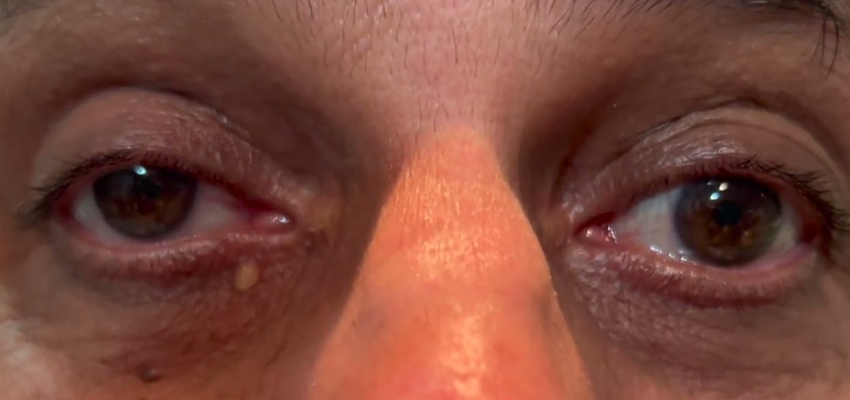
Progressive Supranuclear Palsy
Progressive Supranuclear Palsy (PSP) is a rare, progressive brain disorder that affects movement, control of walking and balance, speech, swallowing, vision, mood, and thinking. It is caused by the deterioration of cells in specific areas of the brain and is often mistaken for Parkinson's disease. Expert neurological evaluation is essential for accurate diagnosis and optimal management.
What is Progressive Supranuclear Palsy?
PSP results from damage to nerve cells in areas of the brain that control balance, eye movements, and swallowing. Unlike Parkinson's disease, PSP typically does not respond well to levodopa, and it tends to progress more rapidly. It is classified as a tauopathy — caused by abnormal accumulation of tau protein in brain cells.
Common Symptoms
- Frequent falls, especially backwards
- Loss of balance and gait instability
- Difficulty moving eyes, especially looking downward (supranuclear gaze palsy)
- Slurred or slow speech (dysarthria)
- Difficulty swallowing (dysphagia)
- Stiffness and slowness of movement
- Cognitive changes (slow thinking, apathy, impaired judgment)
- Personality and mood changes
How PSP Differs from Parkinson's Disease
- Falls occur early, often backwards (not forward as in Parkinson's)
- Eye movement abnormalities (particularly downward gaze limitation)
- Less prominent resting tremor
- Poor or absent response to levodopa
- More rapid progression
- Erect, stiff posture rather than stooped
Diagnosis
- Detailed neurological and ocular movement examination
- MRI Brain (midbrain atrophy — "hummingbird sign")
- FDG-PET scan (when indicated)
- Neuropsychological assessment
- Levodopa trial to assess response
- Blood tests to exclude other conditions
Treatment Options
- Symptomatic medications (levodopa trial, amantadine)
- Management of falls and mobility aids
- Physiotherapy for balance and gait
- Speech and swallowing therapy
- Nutritional support and PEG tube guidance
- Management of behavioral and cognitive symptoms
- Caregiver education and support
When Should You See a Neurologist?
- Recurrent unexplained falls, especially backwards
- Difficulty looking down or controlling eye movements
- Stiffness and slowed movement with poor levodopa response
- Progressive speech or swallowing difficulties
- Personality changes with movement problems
Why Choose Us?
- Experienced Consultant Neurologist specializing in Movement Disorders
- Accurate Differential Diagnosis from Parkinson's Disease
- Personalized Supportive Care Planning
- Evidence-Based Neurological Care
- Compassionate Patient & Family-Centered Approach
- Comprehensive Follow-Up Care