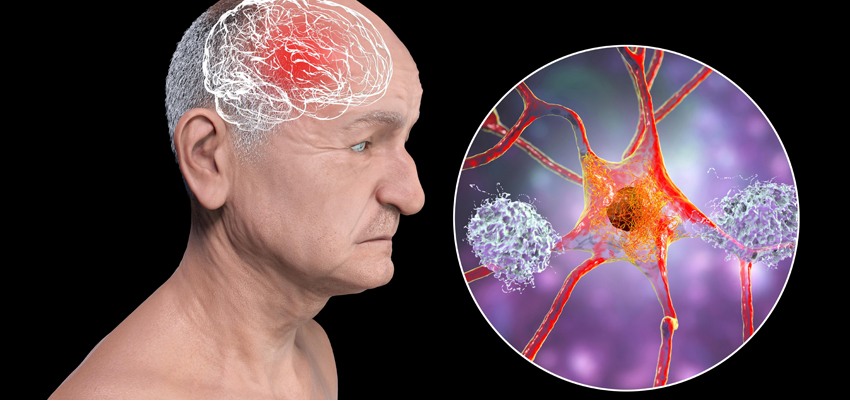
Parkinsonism
Parkinsonism is a clinical syndrome characterized by tremor, rigidity, slowness of movement, and postural instability — symptoms that resemble Parkinson's disease but may be caused by a variety of underlying conditions. Accurate differentiation between Parkinson's disease and other forms of parkinsonism is critical, as the causes, prognosis, and treatments differ significantly.
What is Parkinsonism?
Parkinsonism is an umbrella term for motor symptoms that look like Parkinson's disease. While Parkinson's disease (idiopathic parkinsonism) is the most common cause, parkinsonism can also result from other neurodegenerative diseases, medications, vascular changes, or structural brain lesions. Expert neurological evaluation is essential to identify the underlying cause.
Common Symptoms
- Resting tremor
- Muscle rigidity
- Bradykinesia (slowness of movement)
- Postural instability and falls
- Shuffling gait
- Reduced facial expressions (hypomimia)
- Soft or monotone speech
- Stooped posture
Causes of Parkinsonism
Idiopathic Parkinson's Disease
The most common cause — progressive dopaminergic neuron loss without a known secondary cause.
Drug-Induced Parkinsonism
Caused by medications that block dopamine receptors, such as antipsychotics and certain antiemetics.
Vascular Parkinsonism
Results from multiple small strokes in the basal ganglia; lower limb symptoms tend to predominate.
Atypical Parkinsonism
Includes PSP, Multiple System Atrophy (MSA), and Corticobasal Syndrome (CBS) — conditions with overlapping but distinct features.
Diagnosis
- Comprehensive neurological examination
- Detailed drug and medical history
- MRI Brain (vascular changes, atrophy patterns)
- DaTscan (dopamine transporter imaging)
- Levodopa challenge test
- Autonomic function testing (for MSA)
- Neuropsychological assessment
Treatment Options
- Withdrawal of offending drug (for drug-induced parkinsonism)
- Levodopa/Carbidopa (if idiopathic Parkinson's is confirmed)
- Management of vascular risk factors
- Physiotherapy and balance training
- Speech and swallowing therapy
- Supportive care for atypical parkinsonism
- Regular neurological monitoring
When Should You See a Neurologist?
- Tremor, stiffness, or slowed movements
- Frequent falls or balance problems
- New motor symptoms in someone taking antipsychotic or antiemetic medications
- Parkinson's-like symptoms not responding to levodopa
- Atypical features such as early falls, gaze problems, or autonomic dysfunction
Why Choose Us?
- Experienced Consultant Neurologist specializing in Movement Disorders
- Accurate Differentiation of Parkinsonism Subtypes
- Personalized Treatment Plans
- Evidence-Based Neurological Care
- Compassionate Patient-Centered Approach
- Comprehensive Follow-Up Care