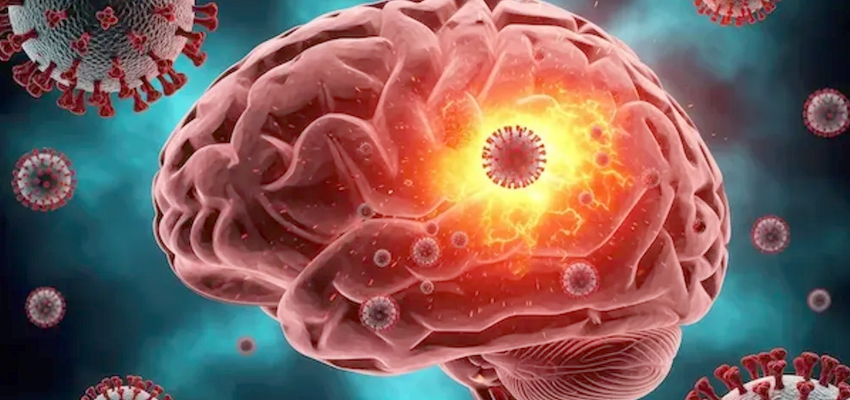
Brain Infection
Brain infections are serious conditions in which pathogens — bacteria, viruses, fungi, or parasites — invade the brain or the surrounding structures. They require urgent neurological evaluation and aggressive treatment to prevent permanent brain damage or life-threatening complications. Conditions such as meningitis and encephalitis are medical emergencies.
Types of Brain Infections
Meningitis
Inflammation of the meninges (membranes surrounding the brain and spinal cord), most commonly caused by bacteria or viruses.
Encephalitis
Inflammation of the brain itself, usually caused by viral infection (e.g., Herpes simplex, Japanese encephalitis).
Brain Abscess
A pus-filled pocket caused by bacterial or fungal infection that forms inside the brain tissue.
Neurocysticercosis
A parasitic infection caused by tapeworm larvae lodging in the brain; a common cause of seizures in India.
Common Symptoms
- Severe headache
- High fever and chills
- Neck stiffness
- Sensitivity to light (photophobia) and sound
- Nausea and vomiting
- Seizures
- Altered consciousness or confusion
- Focal neurological deficits (weakness, speech problems)
Causes & Risk Factors
- Bacterial infections (Streptococcus, Meningococcus, Listeria)
- Viral infections (Herpes, Enterovirus, Japanese encephalitis virus)
- Fungal infections (Cryptococcus in immunocompromised patients)
- Parasitic infections (Cysticercosis, Toxoplasmosis)
- Immunocompromised states (HIV, organ transplant, steroids)
- Spread from nearby structures (ear, sinus, dental infections)
Diagnosis
- Urgent neurological examination
- Lumbar puncture (CSF analysis)
- MRI Brain with contrast
- CT Scan of the brain
- Blood cultures and inflammatory markers
- PCR testing for specific pathogens
- EEG (if seizures are present)
Treatment Options
- Intravenous antibiotics (bacterial meningitis)
- Antiviral therapy (herpes encephalitis)
- Antifungal medications
- Antiparasitic treatment (neurocysticercosis)
- Corticosteroids to reduce brain inflammation
- Anti-seizure medications
- ICU monitoring for severe cases
- Rehabilitation post-infection
When Should You See a Neurologist?
- Sudden severe headache with fever and neck stiffness
- Seizures with fever
- Rapidly progressive confusion or altered consciousness
- New neurological deficits with fever
- Persistent headache in an immunocompromised patient
Why Choose Us?
- Experienced Consultant Neurologist
- Urgent Evaluation & Rapid Diagnosis
- Specialized Neuroinfection Management
- Evidence-Based Neurological Care
- Compassionate Patient-Centered Approach
- Comprehensive Follow-Up & Rehabilitation