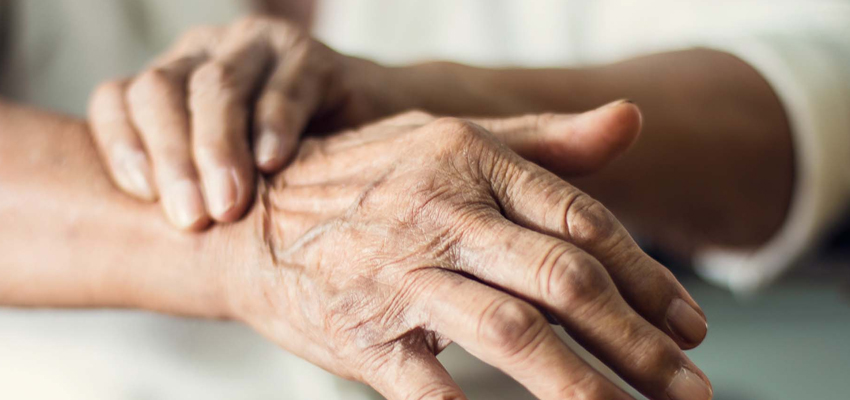
Parkinson's Disease
Parkinson's Disease is a progressive neurological disorder that primarily affects movement. It develops gradually, sometimes starting with a barely noticeable tremor in just one hand. While tremor is the most well-known sign, the disorder also commonly causes stiffness and slowing of movement. With expert neurological care, symptoms can be managed effectively to maintain quality of life.
What is Parkinson's Disease?
Parkinson's disease occurs when nerve cells (neurons) in the brain gradually break down or die. Many of the symptoms are due to a loss of neurons that produce dopamine — a chemical messenger in the brain. When dopamine levels decrease, it causes abnormal brain activity, leading to impaired movement and other symptoms associated with Parkinson's disease.
Common Symptoms
- Tremor (shaking), usually starting in a limb, often the hand or fingers
- Slowed movement (bradykinesia)
- Rigid or stiff muscles
- Impaired posture and balance
- Loss of automatic movements (blinking, smiling, swinging arms)
- Speech changes (soft, slurred, or monotone speech)
- Writing changes (micrographia — small handwriting)
- Shuffling gait and festination
Non-Motor Symptoms
- Depression and anxiety
- Sleep disturbances (REM sleep behavior disorder)
- Constipation
- Loss of smell (anosmia)
- Cognitive changes and dementia (in advanced stages)
- Drooling and swallowing difficulties
- Urinary urgency or frequency
- Orthostatic hypotension (dizziness on standing)
Stages of Parkinson's Disease
Early Stage
Mild symptoms affecting one side of the body; daily activities largely unaffected.
Moderate Stage
Symptoms affect both sides; balance problems emerge; daily tasks take longer.
Advanced Stage
Significant motor impairment; may require assistance with daily activities; risk of falls increases.
Diagnosis
- Detailed neurological examination
- Clinical assessment of motor features (UPDRS)
- MRI Brain (to exclude other causes)
- DaTscan (dopamine transporter imaging)
- Response to levodopa trial
- Blood tests to rule out secondary causes
Treatment Options
- Levodopa/Carbidopa (gold standard therapy)
- Dopamine agonists (pramipexole, ropinirole)
- MAO-B inhibitors (rasagiline, selegiline)
- COMT inhibitors (entacapone)
- Physiotherapy and gait training
- Speech and swallowing therapy
- Deep Brain Stimulation (DBS) surgery for advanced cases
- Regular neurological follow-up and medication titration
When Should You See a Neurologist?
- Resting tremor in a hand or limb
- Slowed movements or rigid muscles
- Shuffling walk or balance difficulties
- Significant change in handwriting or speech
- Loss of smell with motor slowness
- Known Parkinson's with worsening control
Why Choose Us?
- Experienced Consultant Neurologist specializing in Movement Disorders
- Accurate Diagnosis & Staging
- Personalized Medication Management
- Evidence-Based Neurological Care
- Compassionate Patient-Centered Approach
- Comprehensive Follow-Up Care