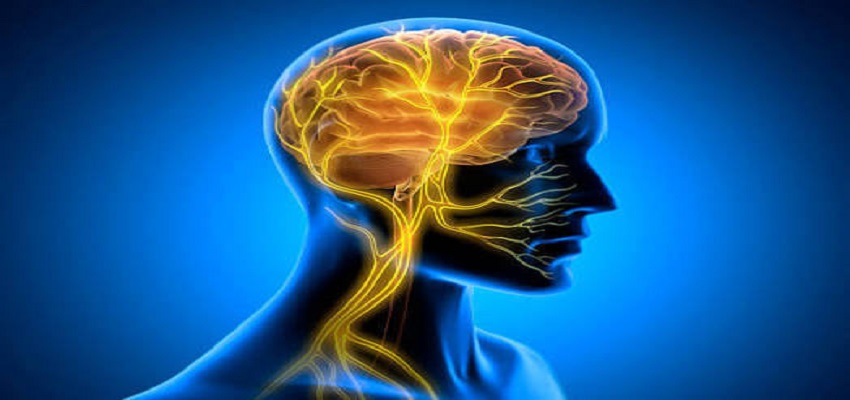
Best Brain and Nerve Specialist in South Mumbai
The brain, spinal cord, and nerves control every function of the human body. Problems affecting these areas can cause symptoms such as headaches, dizziness, weakness, numbness, tingling, seizures, balance problems, and changes in movement or sensation.
If you are searching for the Best Brain and Nerve Specialist in South Mumbai, Dr. Laxmi Patil provides comprehensive neurological evaluation and treatment for disorders affecting the brain, spinal cord, peripheral nerves, and muscles.
Dr. Laxmi Patil is a Consultant Neurologist and Movement Disorders Specialist with specialised training in Neurology and Movement Disorders. She provides personalised neurological care using detailed clinical assessment and evidence-based treatment approaches.
Her expertise includes diagnosis and management of neurological conditions such as headaches, seizures, neuropathy, movement disorders, nerve-related problems, and other disorders affecting the nervous system.
What Does a Brain and Nerve Specialist Treat?
A brain and nerve specialist, also known as a neurologist, diagnoses and manages conditions affecting the nervous system.
The nervous system includes:
- Brain
- Spinal cord
- Peripheral nerves
- Muscles involved in movement
A neurologist evaluates symptoms related to these areas and provides appropriate treatment based on the underlying cause.
Common Brain and Nerve Disorders
Headache and Migraine Disorders
Headaches can occur due to several reasons, including migraine, tension-type headaches, or underlying neurological conditions. A specialist evaluation helps identify the type of headache, possible triggers, and suitable treatment options.
Stroke and Paralysis
Stroke occurs when blood supply to a part of the brain is interrupted, resulting in neurological symptoms. Early evaluation and management are important for improving outcomes.
- Sudden weakness
- Facial asymmetry
- Speech difficulties
- Loss of balance
- Difficulty moving limbs
Nerve Disorders and Neuropathy
Peripheral nerve disorders affect the nerves that connect the brain and spinal cord to different parts of the body. These conditions can interfere with sensation, movement, and muscle strength.
Common symptoms of nerve disorders include:
- Tingling sensations
- Numbness in hands or feet
- Burning or shooting nerve pain
- Muscle weakness
- Reduced sensation
Nerve problems may occur due to conditions such as diabetes, vitamin deficiencies, infections, autoimmune disorders, or nerve compression.
Seizure Disorders and Epilepsy
Seizures occur due to abnormal electrical activity in the brain. Neurological evaluation helps identify the type of seizure, possible causes, and suitable treatment options.
A neurologist may assess:
- Type and pattern of seizures
- Possible triggers
- Underlying neurological causes
- Long-term seizure management plan
Movement Disorders
Movement disorders affect body movements, coordination, and muscle control . They may occur due to changes in areas of the brain responsible for movement regulation.
Common movement-related symptoms include:
- Tremors
- Muscle stiffness
- Slow movements
- Involuntary movements
- Balance problems
Dr. Laxmi Patil specialises in movement disorders including Parkinson's disease, dystonia, tremors, and other neurological movement conditions.
Symptoms That Require Neurological Evaluation
Certain symptoms may indicate an underlying brain or nerve-related condition and require evaluation by a neurologist.
- Persistent or recurring headaches
- Unexplained dizziness
- Numbness or tingling sensations
- Muscle weakness
- Difficulty walking or maintaining balance
- Seizures
- Tremors or abnormal movements
- Memory changes
- Speech difficulties
- Facial weakness
- Persistent nerve pain
Causes of Brain and Nerve Problems
Neurological symptoms can develop due to several conditions affecting the brain, spinal cord, nerves, and muscles.
Degenerative Disorders
Progressive changes affecting brain function may lead to conditions such as Parkinson's disease, dementia, and other neurodegenerative disorders.
Nerve Compression
Pressure on nerves due to spine-related problems or injuries can cause pain, numbness, weakness, and changes in sensation.
Metabolic Conditions
Conditions such as diabetes, nutritional deficiencies, and metabolic disorders can affect nerve health and function.
Autoimmune and Inflammatory Disorders
In some conditions, the immune system can affect nerves or other parts of the nervous system, leading to neurological symptoms.
Injuries and Infections
Head injuries, spinal injuries, and infections affecting the nervous system may result in neurological problems requiring specialist care.
Diagnosis of Brain and Nerve Disorders
Accurate diagnosis is important for identifying the cause of neurological symptoms and planning appropriate treatment. Dr. Laxmi Patil performs a detailed neurological evaluation to understand symptoms and develop an individualised treatment plan.
Neurological Examination
A detailed neurological examination helps assess the functioning of the nervous system. It may include evaluation of:
- Muscle strength
- Reflexes
- Sensation
- Coordination
- Balance and walking pattern
- Movement abnormalities
Brain and Spine Imaging
Imaging tests may be recommended to identify structural changes affecting the brain, spinal cord, or nerves.
- MRI Brain
- CT Scan
- MRI Spine
Nerve and Muscle Testing
For patients with nerve-related symptoms, specialised tests may help evaluate nerve and muscle function.
- Nerve conduction studies
- Electromyography (EMG)
Blood Investigations
Blood tests may be advised to identify conditions that can affect brain and nerve health, including:
- Vitamin deficiencies
- Metabolic disorders
- Inflammatory conditions
- Other underlying medical causes
Treatment for Brain and Nerve Disorders
Treatment depends on the underlying neurological condition, severity of symptoms, and individual patient requirements. Dr. Laxmi Patil provides personalised treatment plans focused on symptom control, disease management, and improving quality of life.
Medication Management
Medicines may be prescribed to manage different neurological conditions including:
- Headaches and migraine disorders
- Nerve pain
- Seizures and epilepsy
- Movement-related symptoms
- Other neurological conditions
Lifestyle and Supportive Care
Maintaining a healthy lifestyle can support neurological health and overall wellbeing. Recommendations may include:
- Regular physical activity
- Balanced nutrition
- Adequate sleep
- Stress management
- Regular medical follow-up
Rehabilitation Support
Some neurological conditions may require supportive therapies to improve daily functioning and independence.
- Physiotherapy
- Occupational therapy
- Speech therapy
Why Choose Dr. Laxmi Patil as a Brain and Nerve Specialist in South Mumbai?
Dr. Laxmi Patil provides comprehensive neurological care with a focus on accurate diagnosis, personalised treatment planning, and long-term patient support.
- Consultant Neurologist and Movement Disorders Specialist
- MBBS, DNB (Internal Medicine), DrNB (Neurology)
- Post-doctoral Fellowship in Movement Disorders
- 10+ Years of Clinical Experience
- 12,000+ Patients Treated
- Expertise in brain, nerve, and movement disorders
- Detailed neurological evaluation and diagnosis
- Evidence-based treatment approach
- Individualised care plans for every patient
- Compassionate and patient-centred neurological care
Frequently Asked Questions
1. Who is the Best Brain and Nerve Specialist in South Mumbai?
Dr. Laxmi Patil is a Consultant Neurologist and Movement Disorders Specialist providing specialised diagnosis and treatment for brain disorders, nerve conditions, and neurological problems in South Mumbai.
2. What conditions does a brain and nerve specialist treat?
A brain and nerve specialist treats conditions affecting the brain, spinal cord, nerves, and muscles, including headaches, stroke, seizures, neuropathy, movement disorders, and nerve-related problems.
3. When should I visit a neurologist?
You should consult a neurologist if you experience persistent headaches, weakness, numbness, seizures, balance problems, tremors, memory changes, or unexplained nerve symptoms.
4. What tests are performed for nerve problems?
Depending on symptoms, a neurologist may recommend neurological examination, MRI, CT scan, nerve conduction studies, EMG, and blood investigations.
5. Can nerve damage be treated?
Treatment depends on the cause of nerve damage. Early diagnosis and appropriate management can help control symptoms and improve quality of life.
6. Does a neurologist treat nerve pain?
Yes. Neurologists diagnose and manage nerve pain caused by conditions such as neuropathy, nerve compression, and other neurological disorders.
7. What is the difference between a neurologist and a neurosurgeon?
A neurologist manages neurological conditions through medical treatment, while a neurosurgeon specialises in surgical procedures involving the brain, spine, and nervous system.
8. How can I maintain good brain and nerve health?
Regular exercise, balanced nutrition, adequate sleep, stress management, and timely medical evaluation can support brain and nerve health.
Conclusion
The brain and nervous system control essential functions of the body, and symptoms affecting them require expert evaluation. Timely diagnosis helps identify the underlying cause and allows appropriate treatment planning.
Dr. Laxmi Patil provides specialised neurological care as a Brain and Nerve Specialist in South Mumbai , offering comprehensive evaluation and personalised treatment for brain disorders, nerve problems, and neurological conditions.