Best Stroke and Paralysis Specialist in South Mumbai
A stroke is a serious neurological condition that requires immediate medical attention. Delayed diagnosis and treatment can lead to long-term complications such as paralysis, speech difficulties, memory problems, and reduced independence. Timely neurological evaluation plays an important role in improving recovery and preventing further damage.
If you are looking for the Best Stroke and Paralysis Specialist in South Mumbai, Dr. Laxmi Patil provides comprehensive neurological care for patients affected by stroke and paralysis. As a Consultant Neurologist and Movement Disorders Specialist, she focuses on accurate diagnosis, personalised treatment plans, stroke prevention, and long-term neurological management.
What is a Stroke?
A stroke occurs when the blood supply to a part of the brain is interrupted or when a blood vessel in the brain ruptures. When brain cells do not receive enough oxygen and nutrients, they can become damaged, resulting in problems with movement, speech, memory, coordination, or other neurological functions.
Stroke is one of the leading causes of disability worldwide. However, early diagnosis, timely treatment, and appropriate rehabilitation can significantly improve recovery outcomes and help patients regain independence.
Types of Stroke
Ischemic Stroke
Ischemic stroke is the most common type of stroke and occurs when a blood vessel supplying the brain becomes blocked, usually due to a blood clot. This blockage reduces blood flow and oxygen supply to the affected area of the brain.
Hemorrhagic Stroke
Hemorrhagic stroke occurs when a blood vessel in the brain breaks and causes bleeding inside or around the brain. This type of stroke requires urgent medical evaluation and specialised neurological care.
Transient Ischemic Attack (TIA)
A Transient Ischemic Attack, commonly known as a mini-stroke, occurs when blood flow to the brain is temporarily reduced. Although symptoms may resolve quickly, TIA can be an important warning sign of a possible future stroke and requires medical assessment.
What is Paralysis?
Paralysis refers to the loss of muscle function in one or more parts of the body due to damage affecting the brain, spinal cord, or nerves. Stroke is one of the most common causes of paralysis, especially when areas of the brain responsible for movement control are affected.
The severity and pattern of paralysis depend on the location and extent of the brain injury. Some patients may experience weakness on one side of the body, while others may have difficulty with movement, balance, speech, or daily activities.
Types of Paralysis After Stroke
- Hemiplegia: Paralysis affecting one side of the body, commonly seen after a stroke.
- Hemiparesis: Weakness on one side of the body with partial loss of muscle strength.
- Facial Paralysis: Weakness affecting facial muscles, often causing facial drooping.
- Speech and Movement Difficulties: Stroke may affect speech, swallowing, coordination, and daily activities.
Common Symptoms of Stroke
Stroke symptoms often appear suddenly and require immediate medical attention. Recognising the warning signs early can help patients receive treatment faster and improve the chances of recovery.
- Sudden weakness or numbness of the face, arm, or leg
- Facial drooping or uneven smile
- Difficulty speaking or understanding speech
- Sudden loss of vision or blurred vision
- Loss of balance or difficulty walking
- Dizziness or coordination problems
- Severe sudden headache without an obvious cause
- Confusion or difficulty understanding surroundings
- Difficulty swallowing
FAST Warning Signs of Stroke
The FAST method helps identify common stroke symptoms and highlights the importance of seeking emergency medical care immediately.
- F - Face: Check for facial drooping or an uneven smile.
- A - Arm: Look for weakness or inability to raise one arm.
- S - Speech: Watch for unclear speech or difficulty speaking.
- T - Time: Seek emergency medical attention immediately.
Causes and Risk Factors of Stroke
Several medical conditions and lifestyle factors can increase the risk of developing a stroke. Identifying and managing these risk factors plays an important role in stroke prevention.
- High blood pressure (Hypertension)
- Diabetes
- High cholesterol levels
- Heart disease
- Irregular heartbeat such as Atrial Fibrillation
- Smoking
- Obesity
- Lack of physical activity
- Excessive alcohol consumption
- Previous history of stroke or TIA
Regular health monitoring and appropriate management of these conditions can help reduce the chances of stroke and improve overall neurological health.
Diagnosis of Stroke and Paralysis
Accurate diagnosis is essential for determining the type of stroke, identifying the affected area of the brain, and planning appropriate treatment. Dr. Laxmi Patil performs a detailed neurological evaluation to assess symptoms, medical history, and neurological function.
Diagnostic tests may include:
- MRI Brain
- CT Brain Scan
- CT Angiography
- MRI Angiography
- Carotid Doppler
- Blood Tests
- ECG (Electrocardiogram)
- Echocardiography
These investigations help determine the cause of stroke, assess the risk of recurrence, and guide a personalised treatment plan based on the patient's condition.
Treatment Options for Stroke and Paralysis
Stroke treatment depends on the type of stroke, severity of symptoms, the area of the brain affected, and the overall health condition of the patient. Early neurological assessment and timely treatment are important to reduce complications and improve recovery.
Dr. Laxmi Patil provides comprehensive stroke management focused on symptom control, prevention of future strokes, and improving the patient's quality of life.
- Detailed neurological evaluation and stroke assessment
- Medication management based on stroke type and patient condition
- Blood pressure and cholesterol management
- Diabetes and lifestyle risk factor control
- Antiplatelet or anticoagulant therapy when clinically appropriate
- Management of stroke-related complications
- Physiotherapy and rehabilitation guidance
- Speech and swallowing therapy recommendations
- Long-term neurological follow-up and stroke prevention planning
Every patient receives an individualised treatment approach based on their symptoms, medical history, and recovery goals. The aim is not only to treat the current condition but also to reduce the risk of future neurological problems.
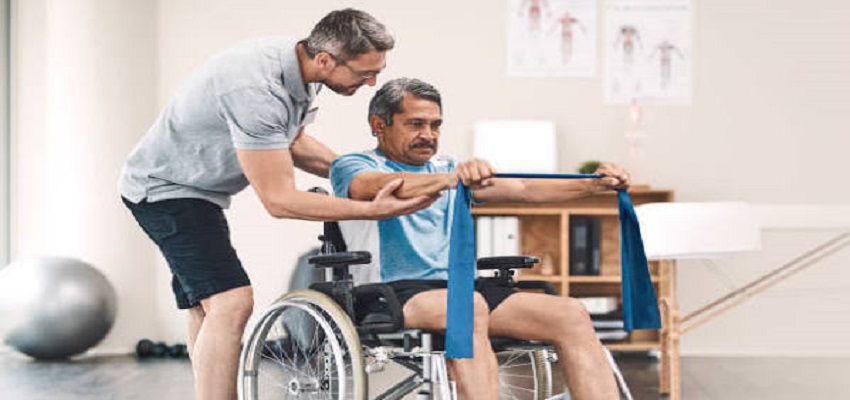
Stroke Rehabilitation and Recovery
Recovery after stroke is a gradual process that requires patience, consistency, and a structured rehabilitation plan. Rehabilitation helps patients regain movement, improve strength, restore communication abilities, and become more independent in daily activities.
Depending on the patient's condition, rehabilitation may include:
- Physiotherapy for improving strength and mobility
- Balance and walking training
- Hand and limb movement exercises
- Speech and language therapy
- Swallowing rehabilitation
- Cognitive rehabilitation for memory and thinking difficulties
- Occupational therapy to improve daily functioning
- Home exercise and lifestyle guidance
With timely treatment, appropriate rehabilitation, and regular neurological follow-up, many patients can achieve significant improvement in their functional abilities.
When Should You Consult a Stroke Specialist?
Stroke symptoms require urgent medical attention. If you or someone around you experiences sudden neurological changes, immediate evaluation is essential.
Consult a stroke specialist if you notice:
- Sudden weakness or numbness of the face, arm, or leg
- Difficulty speaking or understanding speech
- Sudden vision problems
- Loss of balance or difficulty walking
- Repeated episodes of temporary weakness or numbness
- Memory or cognitive changes after a stroke
- Persistent weakness or paralysis after stroke
- Difficulty performing daily activities after neurological injury
Early consultation helps identify the cause, start appropriate management, and create a recovery plan based on the patient's neurological condition.
Why Choose Dr. Laxmi Patil for Stroke and Paralysis Treatment?
Stroke and paralysis require specialised neurological care, continuous monitoring, and a personalised approach. Dr. Laxmi Patil combines advanced neurological expertise with compassionate patient care to help individuals throughout their treatment and recovery journey.
- Consultant Neurologist and Movement Disorders Specialist
- MBBS, DNB (Internal Medicine), DrNB (Neurology)
- Post-Doctoral Fellowship in Movement Disorders
- 10+ Years of Clinical Experience
- 12,000+ Patients Treated
- 5,000+ Neurological Disorders Managed
- Expertise in stroke diagnosis and neurological rehabilitation planning
- Focus on stroke prevention and long-term neurological care
- Evidence-based treatment with personalised care plans
- Compassionate support for patients and their families
- Consultant at Breach Candy Hospital, South Mumbai
Frequently Asked Questions
1. Who is the best Stroke and Paralysis Specialist in South Mumbai?
Dr. Laxmi Patil is a Consultant Neurologist and Movement Disorders Specialist providing comprehensive care for patients with stroke, paralysis, and other neurological conditions. She focuses on accurate diagnosis, personalised treatment, stroke prevention, and long-term neurological management.
2. What are the warning signs of a stroke?
Common warning signs of stroke include sudden weakness or numbness of the face, arm, or leg, difficulty speaking, facial drooping, loss of balance, vision problems, severe headache, and confusion. Immediate medical attention is important if these symptoms occur.
3. Is stroke a medical emergency?
Yes. Stroke is a medical emergency that requires immediate evaluation and treatment. Early medical intervention can help reduce brain damage, improve recovery, and lower the risk of long-term disability.
4. Can paralysis after stroke improve?
Recovery from stroke-related paralysis varies from person to person. With timely treatment, neurological care, physiotherapy, and rehabilitation, many patients can achieve improvement in movement and daily functioning.
5. What causes paralysis after a stroke?
Paralysis after stroke occurs when areas of the brain responsible for controlling movement are damaged. The severity depends on the location and extent of the brain injury caused by the stroke.
6. What tests are required for stroke diagnosis?
Stroke evaluation may include MRI Brain, CT Brain, CT Angiography, MRI Angiography, carotid Doppler, blood tests, ECG, and echocardiography. The required investigations depend on the patient's symptoms and medical condition.
7. How can a second stroke be prevented?
Preventing another stroke involves controlling risk factors such as high blood pressure, diabetes, cholesterol, heart conditions, and following prescribed medications. Regular neurological follow-up is also important.
8. Why choose Dr. Laxmi Patil for stroke treatment?
Dr. Laxmi Patil provides specialised neurological care with expertise in stroke evaluation, paralysis management, rehabilitation guidance, and long-term prevention. Her approach combines medical expertise with compassionate support for patients and their families.
Comprehensive Stroke and Paralysis Care in South Mumbai
Stroke and paralysis can significantly impact a person's physical abilities, independence, and quality of life. However, timely diagnosis, specialised neurological care, and structured rehabilitation can help patients achieve better recovery outcomes.
Dr. Laxmi Patil provides comprehensive evaluation and personalised treatment plans for patients dealing with stroke, paralysis, and related neurological challenges. Her patient-focused approach ensures that every individual receives the right guidance at every stage of their recovery journey.
If you are looking for an experienced Stroke and Paralysis Specialist in South Mumbai, consult Dr. Laxmi Patil for expert neurological assessment, treatment planning, and long-term stroke care.